
Beyond Visual Line of Sight is not the starting point. Before BVLOS can even be considered, both the organisation and the remote drone pilot must already be properly certificated under Part 102.
BVLOS cannot simply be copied from one location to another. Each site needs its own purpose, risk profile, mitigation procedures, and communications planning.
BVLOS adds ROC, remote pilot, radio communications, comm-ops, SOPs, and still-evolving regulatory requirements on top of the existing Part 102 foundation.
Even the Part 102 foundation alone can take at a minimum around 6 months, usually around a year, and sometimes longer before the additional BVLOS layer is addressed.
INCREDIBLE was one of the first companies ever to be certificated under Part 102 in New Zealand and brings extensive practical experience to this space.
Because BVLOS is complex, evolving, and easy to underestimate, the real value is not just in the hardware, but in having a structured pathway that connects compliance, operations, service, and product support.
Before a BVLOS operation can become real, several separate layers need to be put in place, and they build on each other. In New Zealand, this starts well before the DiaB, or site hardware and moves through certification, site-specific planning, and the still-evolving operational framework around remote operation itself.
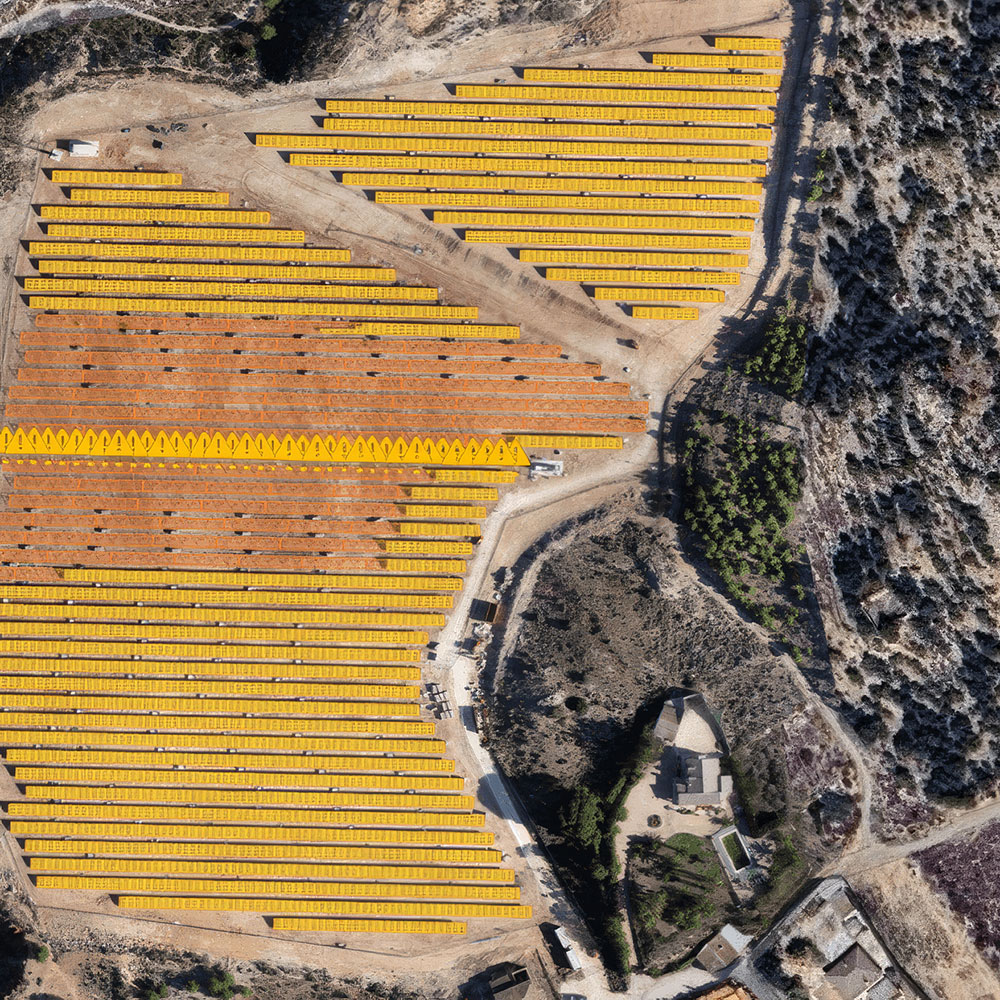
Before BVLOS can even begin to be approached, both the company and the pilot must be certificated under Part 102. These are separate requirements, they are not interchangeable, and both are essential to any professional remote drone operation.
Each BVLOS site must be treated as its own case. That means identifying the site and purpose of the operation, carrying out a SORA-based risk assessment, generating the risk profile, and then developing the mitigation procedures and site-specific SOPs needed for that location.
The ROC and remote pilot layer adds another level of complexity, including operational procedures, training, comm-ops, and likely further BVLOS-specific requirements that are still being defined as the framework continues to evolve.
One of the biggest misunderstandings around BVLOS is the idea that one approval, one setup, or one workflow can simply be repeated everywhere. In reality, each site and project needs its own operational thinking, even when a wider programme shares the same overall objectives.

Site identification, purpose, SORA risk assessment, mitigation procedures, radio communications planning, and operational procedures all need to be considered in the context of that individual site. A BVLOS pathway for one location does not simply transfer to another.
Larger multi-site projects can still be streamlined, but only by starting with a strong base model and then adapting it properly to each location. The wider structure can be repeated; the final operating detail still needs to be site-specific.
Because BVLOS in New Zealand is complex, demanding, and still evolving, experience matters just as much as equipment. Clients need a partner who understands not only the technology, but also the real operational and regulatory pathway behind it.
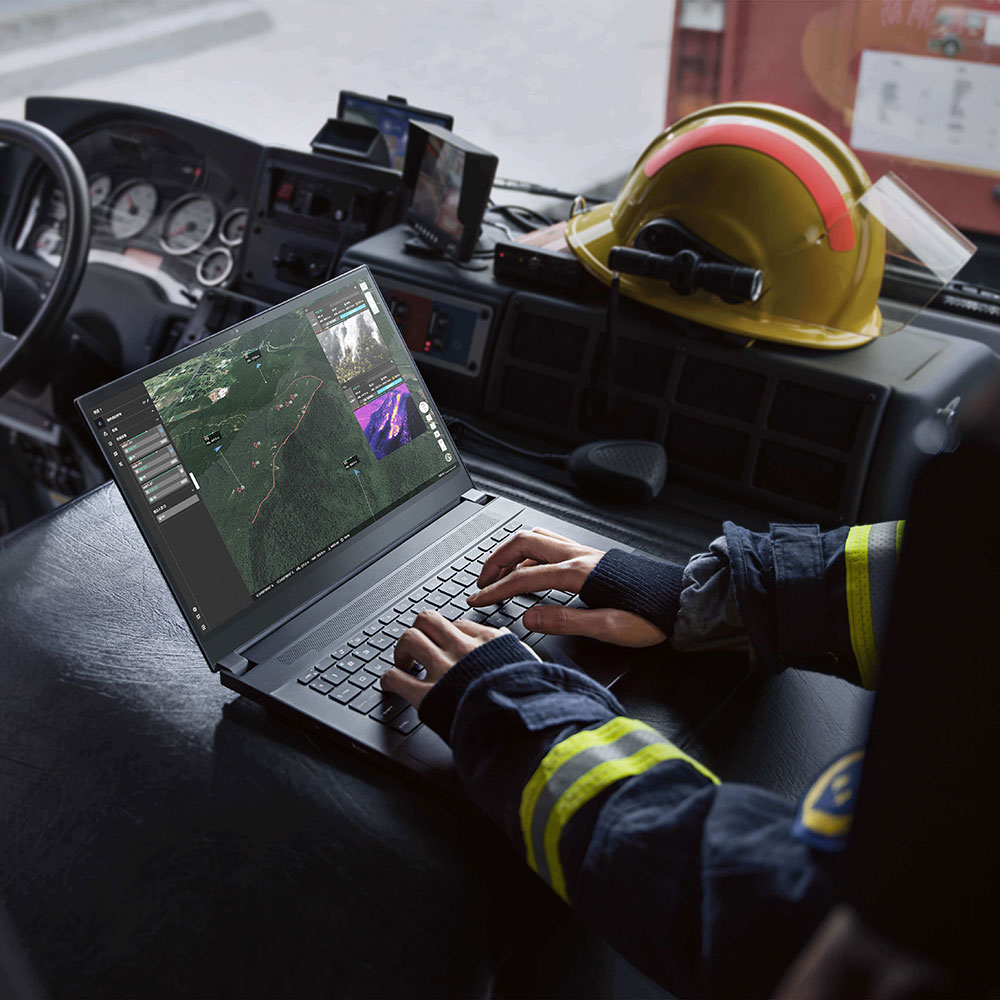
INCREDIBLE was one of the first companies ever to be certificated under Part 102 in New Zealand and brings deep practical experience across professional drone operations, compliance pathways, and real-world deployment.
INCREDIBLE has a long history of working with CAA and is actively involved in the ongoing development of the BVLOS framework. PERCEPTA is part of that process, helping address the practical operating environment around ROC and remote operator needs.
This is exactly why INCREDIBLE has built both the operational service layer and the supporting product layer around real BVLOS requirements. Together, they help turn a difficult and evolving process into a more workable and realistic pathway.
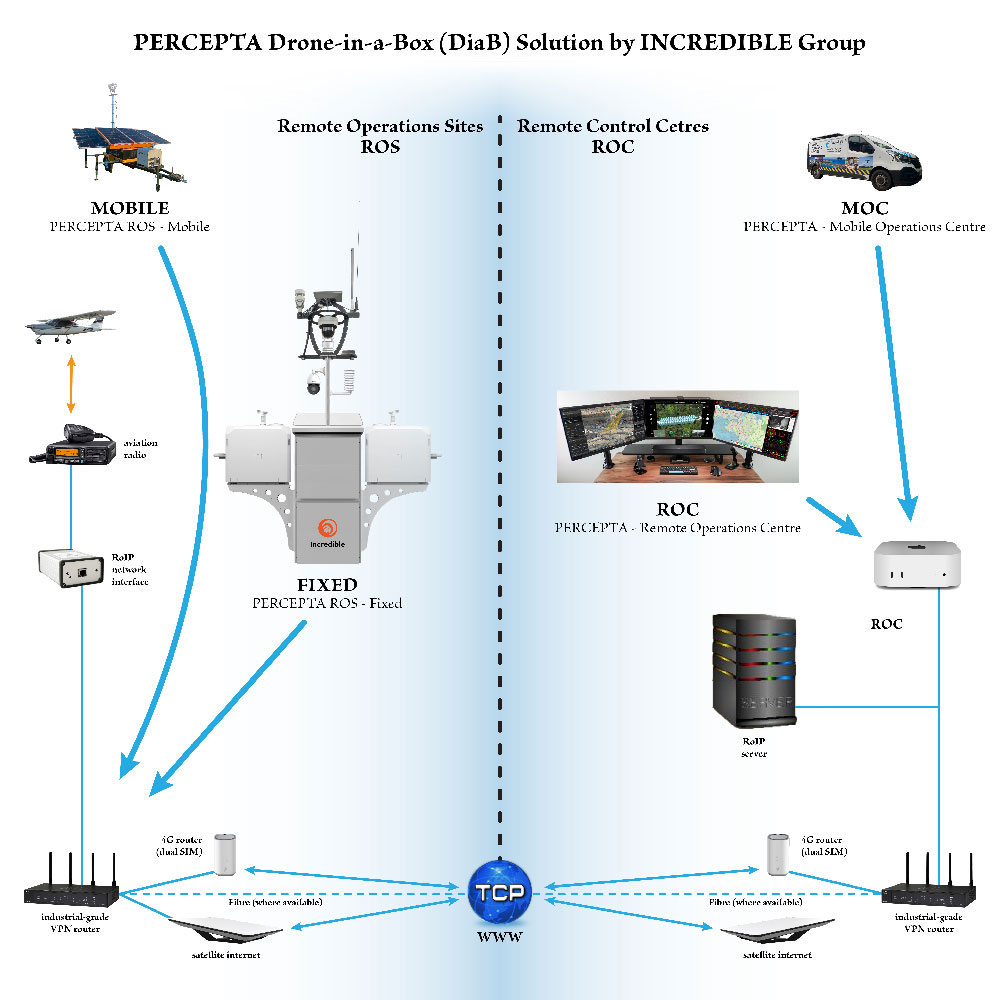
Our ROC service helps clients access BVLOS capability without having to build and run the full operational structure themselves from day one. It provides a more practical path through complexity, compliance, staffing, and operational oversight.
PERCEPTA was developed to support the real operating environment of BVLOS, especially around site-awareness, ROC support, communications context, and the practical needs of the remote operator. It is part of the solution because this layer of BVLOS is one of the hardest to solve well.